


 +91 97699 40000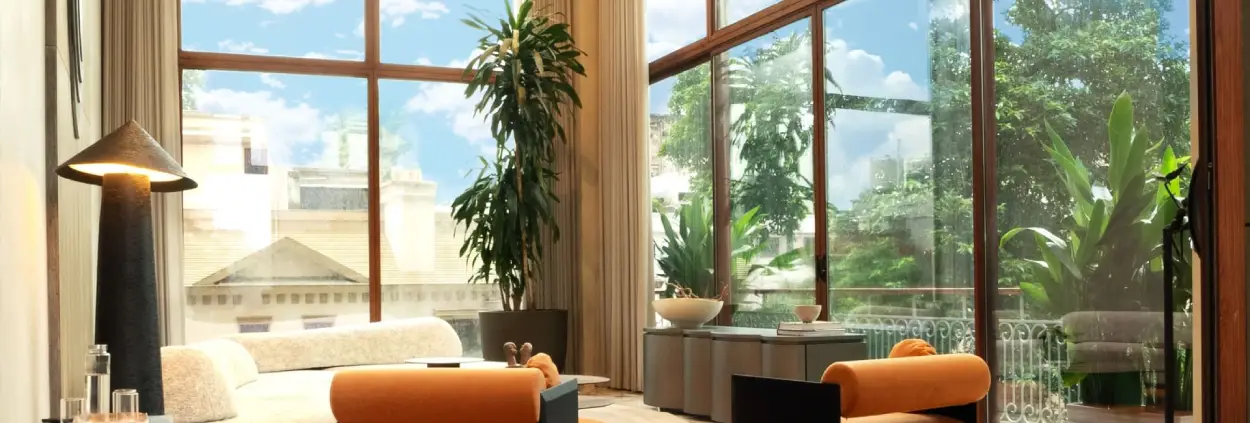
Smart Aluminium Window Design Choices for Energy-Efficient Homes
As homes evolve to meet modern lifestyle and sustainability needs, design decisions today go far beyond visual appeal. Homeowners are increasingly prioritising comfort, durability, and energy efficiency, especially in regions where temperature fluctuations and rising energy costs directly affect daily living.
Among the many architectural elements that influence a home’s energy performance, windows and doors are crucial. They regulate heat flow, daylight entry, ventilation, and insulation, making them central to any energy efficient home design.
In this context, aluminium for windows has emerged as a preferred choice in contemporary architecture. Known for its strength, adaptability, and support for advanced glazing technologies, aluminium enables smart design solutions that enhance both performance and aesthetics.
When designed thoughtfully, aluminium window systems can significantly reduce heat gain, limit air leakage, and contribute to long-term energy savings, making them ideal for modern, energy driven homes.
Why is Aluminium a Smart Choice for Energy Efficiency?
Aluminium has become a widely used material in residential fenestration due to its performance advantages and design flexibility. One of its most notable benefits is its high strength to weight ratio, which allows for slimmer frames without compromising structural integrity. Slimmer frames mean larger glass areas, allowing more natural daylight to enter the home and reducing reliance on artificial lighting during the day.
Modern aluminium window systems are designed to work efficiently with appropriate glazing and sealing solutions to support indoor comfort. These design elements help manage heat transfer between indoor and outdoor environments and contribute to more stable interior conditions.
In addition to thermal performance, aluminium offers excellent resistance to corrosion, moisture, and weathering. Unlike wood, it does not warp or crack, and unlike steel, it does not rust easily. This durability ensures consistent performance over time with minimal maintenance.
Key Design Features That Improve Energy Performance
The effectiveness of energy efficient windows depends largely on how well the window system is designed and installed. Several features contribute directly to improved energy performance:
- High-performance glass solutions can help manage heat while allowing natural light into interiors, supporting indoor comfort throughout the year.
- Precision-engineered gaskets and sealing systems help limit air leakage, reducing the entry of dust, wind, and outside air.
- Thoughtful window orientation and placement can enhance cross ventilation and natural cooling, reducing reliance on mechanical systems.
Together, these design choices help regulate indoor temperatures, lower energy consumption, and improve overall living comfort.
Modern Aluminium Window and Door Design for Homes
Beyond performance, aluminium is valued for its ability to support contemporary aesthetics. Modern aluminium window design is characterised by clean lines, minimal profiles, and seamless integration with interior and exterior architecture. Sliding windows, fixed glass panels, and casement systems are particularly popular in modern homes due to their functionality and visual lightness.
Similarly, aluminium door design for home applications has evolved to meet both aesthetic and performance expectations. Aluminium doors can accommodate large glass panels while maintaining strength, security, and dependable closure. When paired with suitable glazing and high-quality gaskets, aluminium doors can support consistent indoor comfort across different spaces within the home.
Eternia: Engineered Aluminium Solutions for Modern Homes
Eternia Windows is a premium aluminium windows and doors brand focused on delivering performance-driven solutions for contemporary residential spaces. Its systems are manufactured using Duranium, a specially developed aluminium alloy developed by Hindalco that offers enhanced strength compared to regular aluminium, allowing for slimmer frame profiles and larger glass areas without compromising durability.
Additionally, Eternia systems undergo WiWA (Wind, Water, Air) performance testing, offering:
- Protection against strong wind conditions
- Water tightness that helps keep interiors dry during heavy rainfall
- Air sealing that helps reduce dust and outside noise infiltration
These performance parameters support dependable operation across varied climatic conditions.
Selecting the Best Aluminium Windows for Your Home
Choosing the best aluminium windows involves balancing design preferences with performance requirements. Homeowners should evaluate factors such as thermal efficiency, durability, maintenance needs, and compatibility with modern glazing technologies. High quality aluminium systems are designed to perform consistently over time, offering long-term value through reduced maintenance and improved energy efficiency.
It is also important to consider how windows and doors work together as part of a complete system. Consistency in material, glazing, and sealing across openings helps ensure uniform thermal performance throughout the home.
Conclusion
Energy efficient homes result from informed, intentional design choices. Windows and doors, when carefully selected, can significantly influence how comfortable, sustainable, and cost effective a home is over time.
Aluminium window and door systems offer a strong combination of durability, design flexibility, and performance, making them a practical choice for modern living.
With thoughtfully engineered solutions such as those offered by Eternia, homeowners can integrate advanced aluminium systems that align contemporary aesthetics with energy efficiency and long-term reliability. By prioritising smart materials and proven performance, it becomes possible to create homes that are not only visually appealing but also efficient, comfortable, and future ready.

Beyond Transparency: How Modern Glass Enhances Comfort, Design and Living Spaces

Top 10 Trending Aluminium Window Designs for Modern Houses in 2025
Modern Aluminium Bathroom Door Designs for Style & Privacy
The Ultimate Guide to Choosing Aluminium Windows for Your Indian Home
The Strength Behind Modern Aluminium Windows: Design, Durability & Performance

Casement Window and Door Styles: Choosing the Right Ventilation for Your Space
How Openable Doors and Windows Designs Enhance Safety and Comfort

Enhancing Your Kitchen: The Benefits of Stylish Aluminium Kitchen Doors

Aluminium Doors with Side Windows: Stylish Options for Contemporary Homes

Patio Doors Reimagined: Why Aluminium Sliding Doors Beat Traditional Materials
Frequently Asked Questions
Yes, aluminium windows are suitable for energy efficient homes when designed with high performance glazing and proper sealing. These features help reduce heat transfer, limit air leakage, and maintain comfortable indoor temperatures year round.
Aluminium is highly durable and resistant to corrosion, warping, and weather related damage. Unlike some traditional materials, it maintains its structural integrity over time and requires minimal maintenance, making it a long lasting choice for residential use.
Modern aluminium window design incorporates advanced engineering, such as insulated frames, double or triple glazing, and Low-E glass coatings. Together, these features significantly improve thermal insulation and enhance energy efficiency.
Yes, aluminium door design for home applications can support energy efficiency when equipped with insulated glazing, airtight seals, and precision engineered frames. When paired with energy efficient windows, aluminium doors help create a well insulated building envelope.


Our consultants will give a closer Look!
WHATSAPP VIDEO CALL AT YOUR CONVENIENCE
Schedule a Video call or Request Real Images and Videos
